ROBS typically fits situations where cash is scarce but you have retirement savings to redirect into equity, while SBA loans fit purchases your business can service from ongoing cash flow without touching retirement assets. Many entrepreneurs combine the two: ROBS supplies the equity injection, SBA debt covers the rest. Before committing to either, we recommend confirming compliance and eligibility details directly with the IRS and the SBA.
TL;DR:
- SBA 504 financing suits real estate or equipment, with fixed real estate terms of 20 or 25 years and equipment terms often lasting 10 years.
- ROBS requires a C corporation and qualified retirement plan, plus ongoing filings and administration; questionable stock valuations or missed nondiscrimination testing can trigger tax consequences.
- Before counting ROBS equity toward an SBA loan, confirm lender acceptance and document the rollover, stock purchase, and deposit of funds into the business.
- Choose SBA 7(a) when projected cash flow can cover fixed payments; ROBS avoids scheduled repayments but puts retirement savings at risk if the business falters.
- SBA underwriting takes 30 to 90 days; ROBS setup takes several weeks, and running both processes in parallel may save time but risks coordination delays.
Table of Contents
- What Are ROBS and SBA Loans, and How Do They Differ?
- How SBA Loans Work: Terms, Underwriting, and Costs
- How ROBS Works, Step by Step, and Where It Gets Risky
- Comparing Costs, Cash Flow, and Retirement Risk
- How ROBS and SBA Loans Work Together
- A Decision Checklist for Choosing Your Financing Path
- Where SBA 504 Financing Fits Your Plans
- Weighing Ambition Against Retirement Security
- Explore SBA 504 Financing With CDC New England
- FAQ
- Sources
What Are ROBS and SBA Loans, and How Do They Differ?
A ROBS (Rollovers as Business Start-ups) arrangement lets you roll retirement funds into a new C corporation, which then uses that capital to buy your business without triggering early withdrawal penalties or taxes. An SBA loan, by contrast, is borrowed money, typically a 7(a) or 504 loan, that you repay over a set term with interest. The core difference comes down to this:
- ROBS converts retirement savings into business equity: no scheduled debt payments, but your retirement account now owns company stock.
- SBA loans add debt to your balance sheet: predictable payments, but your retirement savings stay untouched.
- Many buyers use ROBS to generate the equity injection that SBA lenders require before approving the debt portion of a deal.
Because SBA lenders usually expect a meaningful equity stake from the borrower, ROBS and SBA loans often work as two halves of the same financing plan rather than competing options.
How SBA Loans Work: Terms, Underwriting, and Costs
The two SBA programs entrepreneurs encounter most often are the 7(a) loan, used for working capital, acquisitions, and general business purposes, and the 504 loan, designed for long-term, fixed-rate financing on commercial real estate and major equipment. SBA 504 loans are delivered through Certified Development Companies, which provide local underwriting alongside a participating lender that funds the first-lien portion.
- 7(a) loans typically carry shorter terms and variable rates, suited to working capital or smaller acquisitions.
- 504 loans typically pair a bank first mortgage with a CDC-funded second mortgage, often featuring 20 or 25-year fixed terms.
- Both programs involve a formal underwriting process: income verification, collateral review, personal guarantees, and credit history.
The SBA’s own program guidance confirms that SBA-backed loans are structured to reduce lender risk through program-specific underwriting rules, which means documentation requirements can be rigorous regardless of loan size. Expect a 30 to 90 day underwriting window depending on loan complexity and lender responsiveness. Cost components include the interest rate, an SBA guaranty fee, lender closing costs, and, for 504 loans, a CDC servicing fee built into the blended rate. Amortization schedules differ by asset type: real estate loans commonly stretch to 25 years, while equipment loans track the useful life of the asset, often 10 years. SBA also issues procedural notices that update affiliation and lending criteria, which can shift how lenders assess collateral and ownership structure, so it’s worth checking current SBA guidance before you apply.
How ROBS Works, Step by Step, and Where It Gets Risky
Setting up a ROBS arrangement follows a defined sequence, and skipping steps or mishandling the paperwork is where most problems start.
- Form a new C corporation, since ROBS structures require this entity type specifically.
- Establish a qualified retirement plan, usually a 401(k), sponsored by the new corporation.
- Roll existing retirement funds from an IRA or former employer plan into the new plan.
- Direct the plan to purchase stock in the new C corporation at a defensible valuation.
- Use the capital the corporation receives from that stock sale to fund the business purchase or startup costs.
Setup costs generally include promoter fees, legal and accounting support, and ongoing expenses like Form 5500 filings and plan administration. The timeline to get a ROBS structure operational typically runs several weeks, since each step depends on the prior one closing cleanly.
ROBS arrangements are highly scrutinized, and failures to meet nondiscrimination requirements or engaging in prohibited transactions can lead to plan disqualification and adverse tax consequences, as explained in detail in Business Account Takeover: Is Your Bank Liable? | Dilendorf.
The IRS’s compliance guidance documents recurring failure modes: questionable stock valuations, promoter fee structures that raise red flags, and missed nondiscrimination testing. An initial IRS determination letter does not guarantee ongoing compliance. Operational administration, not the initial setup, is where ROBS structures most often run into trouble.
Comparing Costs, Cash Flow, and Retirement Risk
The honest comparison comes down to what you’re willing to risk and how your business will actually perform in its first few years.
- Cash flow: SBA loans require fixed monthly payments regardless of business performance; ROBS has no scheduled repayment, but poor performance can erode your retirement nest egg directly.
- Total cost: SBA loans carry interest and fees spread over the loan term; ROBS carries setup and ongoing administrative fees plus the opportunity cost of retirement funds no longer compounding in diversified investments.
- Underwriting speed: SBA loans involve lender and SBA review cycles; ROBS setup has its own multi-week timeline but doesn’t depend on a lender’s credit decision.
The IRS has flagged ROBS arrangements for heightened scrutiny through its ongoing compliance project, which signals that examination risk is a real, ongoing cost to factor in, not a one-time setup hurdle.
A few patterns show up often: a small service-business acquisition with modest capital needs might lean on SBA 7(a) alone, an asset-heavy purchase like a building or equipment line often pairs SBA 504 debt with a ROBS-funded down payment, and a bootstrap startup with limited outside capital might rely more heavily on ROBS equity before it qualifies for conventional debt.
How ROBS and SBA Loans Work Together
The most common pairing looks like this: you use ROBS to generate the cash equity a lender expects to see, then apply for an SBA loan to finance the remaining purchase price. Lenders don’t take that equity at face value.
- Lenders typically request documentation showing the source and timing of the ROBS rollover and stock purchase.
- They verify that the equity is genuinely in the business, not just sitting in a holding account.
- They confirm the C corporation structure matches what the loan application describes.
Some borrowers set up ROBS first and then approach lenders with equity already in place; others run both processes in parallel to save time, accepting some coordination risk if timelines slip.
A Decision Checklist for Choosing Your Financing Path
Before you commit, work through a few core questions with your advisors.
- How much capital do you actually need, and how much of it could realistically come from cash flow versus equity?
- How much of your retirement savings are you willing to put at risk if the business underperforms?
- Can your projected revenue comfortably cover fixed loan payments from day one?
- Do you have the administrative bandwidth to run a C corporation and a qualified retirement plan?
- How much time pressure are you under to close the deal?
Bring these questions to a tax attorney, a CPA familiar with ROBS structures, and an SBA lender before signing anything.
Pro Tip: Document your stock valuation methodology and corporate governance decisions in writing from day one; thin documentation is one of the fastest ways to attract IRS scrutiny later.
Where SBA 504 Financing Fits Your Plans
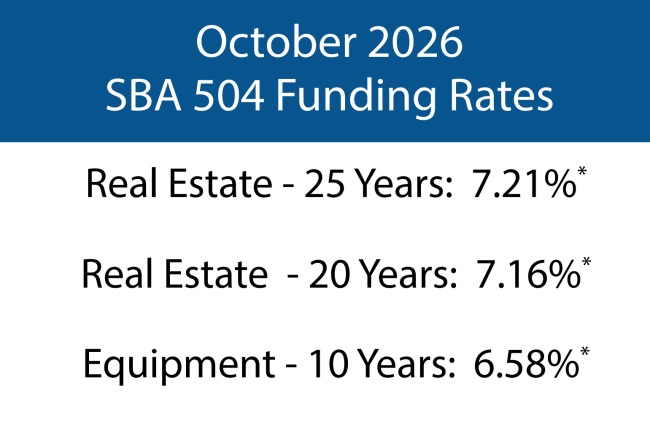
When your capital need centers on commercial real estate or equipment rather than pure working capital, SBA 504 financing is often the more direct route. We offer Real Estate 20-Year Fixed, Real Estate 25-Year Fixed, and Equipment 10-Year Fixed terms, along with down payment assistance for qualifying borrowers who want to reduce upfront cash requirements rather than tap retirement funds through ROBS.

Weighing Ambition Against Retirement Security
Ambition and retirement security pull in opposite directions when you’re funding a business purchase, and no amount of enthusiasm changes the math. Before you roll retirement funds into a C corporation, talk to a tax attorney and a CPA who understands ROBS structures, and confirm your lender will actually accept that equity before you finalize anything. ROBS demands real administrative follow-through for as long as the plan exists, not just at setup.
— PHENYX
Explore SBA 504 Financing With CDC New England
If a ROBS structure feels like more retirement risk and administrative commitment than your situation calls for, SBA 504 financing offers a debt-based alternative that keeps your retirement savings intact.  Our programs include Equipment 10-Year Fixed, Real Estate 20-Year Fixed, Real Estate 25-Year Fixed, Down Payment Assistance, and the VetLoan Advantage Program for veterans and their spouses. We also offer an SBA 504 Refinance Program if you’re restructuring existing debt instead of pursuing new acquisition financing. Visit our landing page to discuss prequalification and find the structure that fits your purchase.
FAQ
Are ROBS a good idea?
ROBS can make sense when you have substantial retirement savings and limited other capital, but the IRS flags these arrangements for heightened compliance scrutiny. Whether it’s a good idea depends heavily on your risk tolerance and your ability to maintain ongoing administrative compliance, so professional guidance before setup is essential.
What is the equity requirement lenders expect for SBA loans?
Lenders typically expect a meaningful equity injection before approving an SBA-backed loan, though the exact percentage varies by program and lender. Check current requirements directly with your SBA lender or CDC, since underwriting criteria can change with new procedural notices.
Can you use ROBS to buy an existing business?
Yes, ROBS funds are commonly used to purchase an existing business, not just to launch a startup. The retirement plan buys stock in a new C corporation, which then uses that capital to acquire the target business, often alongside SBA debt financing.
What disqualifies you from an SBA loan?
Common disqualifiers include poor personal or business credit history, insufficient collateral, inadequate cash flow to service the debt, and businesses in ineligible industries under SBA rules. SBA guidance outlines eligibility standards, and specific disqualifying factors can vary by lender and loan program.
Does ROBS affect business ownership and control differently than an SBA loan?
With ROBS, your retirement plan becomes a shareholder in the C corporation, which introduces fiduciary obligations tied to plan rules. With an SBA loan, you retain full ownership but take on a creditor relationship with fixed repayment obligations and a personal guarantee.
Sources
- Rollovers as business start-ups compliance project | Internal Revenue Service
- Loans | U.S. Small Business Administration