Buyers with nontraditional income, self-employment earnings, or credit setbacks often find owner financing faster to arrange, while buyers who qualify for a mortgage usually save money over time with a bank loan’s lower rate and legal protections. The single biggest risk to check first is a balloon payment or refinancing gap down the road. Two references worth knowing before you sign anything: the Consumer Financial Protection Bureau and the Electronic Code of Federal Regulations.
TL;DR:
- Compare APR rather than quoted rates because points and fees can change total borrowing costs, and owner financed notes often carry higher rates.
- A note amortized over 30 years but due in five can leave a large lump sum; start refinancing discussions 12 to 18 months before maturity.
- Before signing, check for an existing mortgage and lender consent, search title for liens, and require recorded documents, title insurance, and attorney review.
- Get conventional preapproval even when pursuing owner financing, so you know your refinance options before accepting a balloon payment or relying on future approval.
Table of Contents
- How owner financing and bank loans compare on cost and timing
- Who each option suits and what to verify before signing
- Comparing lifetime cost and cash-flow risk between the two paths
- What the closing process and timeline look like for each path
- Legal protections and the paperwork checklist to insist on
- How institutional commercial loans differ from owner-carried notes
- The bottom line on choosing your financing path
- Financing commercial property through CDC New England
- FAQ
- Sources
How owner financing and bank loans compare on cost and timing
Owner financing means the property seller acts as the lender, carrying the note instead of a bank. A bank loan means a regulated institution underwrites, funds, and services the mortgage under standardized disclosure rules. The two paths diverge sharply on eligibility, pricing, and speed.
Banks require income verification, tax returns, credit history, and an appraisal before approval. Sellers who finance a sale set their own criteria, which often means more flexibility for buyers with self-employment income or past credit problems, according to Bankrate. That flexibility comes at a cost: owner-financed notes typically carry higher interest rates than conventional mortgages, and the annual percentage rate matters more than the quoted rate alone, since APR folds in fees that change the real cost of borrowing.
Down payments and closing costs vary by arrangement rather than by fixed rule. Banks publish standardized closing cost categories, while seller-financed deals negotiate these terms case by case.
- Eligibility: banks require documented income, credit history, and appraisal; sellers set their own terms, often with fewer hurdles.
- Term structure: banks commonly amortize fully over 15 to 30 years; owner-financed notes often include a balloon payment after a shorter period.
- Speed to close: owner financing frequently closes faster because it skips bank underwriting and some lender-required steps, per Zillow.
- Refinance exit: bank loans rarely require a refinance; owner-financed balloon notes almost always do.
Who each option suits and what to verify before signing
Owner financing tends to fit buyers who do not yet qualify for a conventional mortgage but have a clear plan to refinance or pay off the balance later. Bank loans tend to fit buyers who qualify now and want the lowest total cost over the life of the loan. Sellers offering financing are often motivated by a steady income stream, a faster sale, or a higher overall return, though that arrangement also puts default risk and the legal process of reclaiming the property on the seller’s side.
- Check for an existing mortgage on the property. A seller who still owes a bank may need that lender’s consent before carrying a note themselves.
- Confirm the title is clean. Unresolved liens or ownership disputes can surface after you have already made payments.
- Read the payoff terms closely. Ambiguous language about the balloon date, prepayment, or default remedies can leave you exposed later.
Buyers who qualify for conventional financing but still consider owner financing should compare both paths side by side rather than assume one is automatically cheaper or faster.
Comparing lifetime cost and cash-flow risk between the two paths
The nominal rate on a loan is not what you actually pay. APR includes points, fees, and other charges, which is why two loans with the same stated rate can cost differently. Owner-financed notes often carry rates above conventional mortgage averages, a trade sellers make for accepting borrowers banks would decline, according to Investopedia.
A balloon structure changes the math more than buyers expect. A note amortized over 30 years but due in five means your monthly payment looks like a standard mortgage payment, but the remaining principal comes due as one lump sum at year five. If you have not refinanced or saved for that payoff by then, you risk default or forced sale.
Down payments on owner-financed deals vary by negotiation rather than by a fixed percentage, and seller fee practices differ from bank fee schedules, which are more standardized and disclosed upfront under CFPB guidance.
Before committing to either path, gather these inputs for a real cost comparison:
- Purchase price, down payment amount, and interest rate for each option.
- Loan term, amortization schedule, and any balloon due date.
- All closing costs, points, and processing fees for each path.
- Your realistic refinance timeline and estimated rate if a balloon applies.
One factual note matters here: eCFR §1026.36 sets standards, including ability-to-repay and amortization expectations, that seller-financers should meet unless they qualify for a narrow exception for financing three or fewer properties in a 12-month period.
What the closing process and timeline look like for each path
Owner-financed deals often close in a matter of weeks because they skip bank underwriting, appraisal contingencies, and some lender-required inspections. Bank loans typically take longer, since underwriting, appraisal, and title work run on the lender’s schedule rather than a private negotiation between two parties.
- Gather and verify the core documents: the promissory note, the deed or mortgage (or land contract, depending on the legal structure used), the amortization schedule, and the exact payoff terms.
- Get preapproved with a conventional lender even if you plan to pursue owner financing. Knowing your refinance options in advance protects you if a balloon payment is part of the deal.
- Start refinance conversations 12 to 18 months before any balloon maturity date, since waiting until the deadline is a common and costly mistake.
Pro Tip: Keep a signed copy of every document the seller gives you, and have a real-estate attorney confirm the legal structure before you sign anything.
Legal protections and the paperwork checklist to insist on
Banks operate under standardized disclosure rules and often escrow property taxes and insurance automatically, which reduces the chance of a surprise bill. Seller-financed arrangements do not carry those built-in protections unless both parties negotiate them, which makes independent verification essential.
Certain federal rules distinguish seller-financers from loan originators if the seller finances three or fewer properties in a 12-month period and meets other specific conditions.
eCFR §1026.36
Before closing on an owner-financed purchase, confirm these items:
- A full title search and title insurance policy, not just a seller’s assurance.
- A properly recorded deed or mortgage instrument, filed with the county.
- Independent attorney review of the note and any land contract terms.
- A clear escrow arrangement for taxes and insurance if the seller will not handle them directly.
For a closer look at how these pieces come together in practice, resources like Mayday’s guide to nontraditional financing workflows walk through underwriting considerations buyers encounter outside conventional bank lending.
How institutional commercial loans differ from owner-carried notes
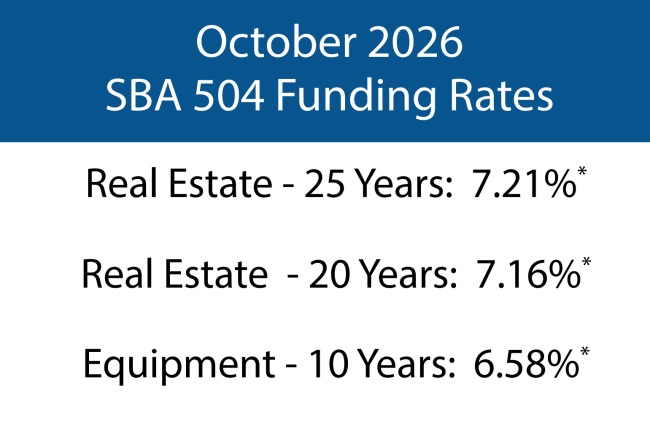
Everything above concerns residential, owner-carried financing between individual buyers and sellers. Institutional lending works on a different model entirely, and it is worth understanding the contrast. We originate SBA 504 loans for commercial real estate and equipment, structured with a 10% down payment and fixed rates for terms up to 25 years, a 20-year fixed option, and specialized programs for veterans and their spouses through our VetLoan Advantage Program. With more than 70 years of combined regional lending experience, our institutional underwriting and long fixed terms remove the refinance and balloon risk that shadows many owner-carried notes. To be clear: our loans serve commercial borrowers purchasing business property or equipment, not individuals seeking a residential mortgage.
The bottom line on choosing your financing path
If you qualify for a conventional mortgage, a bank loan almost always costs less over time and comes with stronger consumer protections. If you do not qualify yet, owner financing can bridge that gap, but only if you verify title, record the deed, and plan your refinance well before any balloon payment comes due. Two moves protect you either way: get a lender preapproval now so you understand your real options, and if you pursue owner financing, hire a real-estate attorney and insist on recorded documents and title insurance.
— PHENYX
Financing commercial property through CDC New England
If the property or equipment you are financing supports a business rather than a primary residence, the comparisons above do not quite apply; that is where our SBA 504 loan programs come in. 
We structure fixed-rate loans for commercial real estate and equipment with as little as 10% down, terms up to 25 years, and dedicated support for veterans and their spouses, which gives business owners a predictable alternative to the higher rates and balloon risk common in owner-carried deals. Our Down Payment Assistance Program helps qualifying borrowers reduce the upfront cash needed to close, and our SBA 504 Refinance Program gives business owners carrying existing commercial debt a path to a longer, fixed-rate structure instead of facing a refinance cliff.
If you are weighing financing options for a business property purchase or need to refinance commercial debt, visit CDC New England to check your eligibility and get started.
This article is general information, not a substitute for advice from a qualified financial advisor. Consult a qualified financial professional about your own circumstances before acting on anything here.

FAQ
Do you pay closing costs with owner financing?
Closing costs in owner-financed deals are negotiated between buyer and seller rather than set by standardized lender fee schedules, so you should confirm who pays what before signing. The CFPB’s closing cost guidance outlines the categories typically charged in a bank mortgage, which gives you a useful checklist to compare against any owner-financing agreement.
What is the difference between a bank loan and a finance loan?
A bank loan is issued by a regulated financial institution under standardized underwriting, disclosure, and servicing rules. Seller or owner financing is arranged privately between the buyer and the property seller, with terms, rates, and protections negotiated case by case rather than set by a lender’s published policies.
Is a down payment required?
Down payment amounts are negotiated directly between buyer and seller in owner-financed deals and vary widely depending on the arrangement. Conventional bank mortgages typically have more standardized down payment expectations tied to loan type and borrower qualifications.
Can I buy a house without a bank?
Yes, owner financing lets you purchase a home directly from the seller without a bank mortgage, which can help buyers with nontraditional income or credit history, according to Bankrate. You still need a title search, a recorded deed or mortgage, and ideally an attorney’s review to protect your legal interest in the property.
Sources
- eCFR § 1026.36 — Prohibited acts or practices and certain requirements for credit secured by a dwelling
- What fees or charges are paid when closing on a mortgage and who pays them? | CFPB
- Owner financing: What it is and how it works | Bankrate
- Owner financing definition, pros and cons | Investopedia
- What Is Seller Financing? | Zillow