

On November 18, 2025, the House Small Business Committee passed seven bills that can now be considered by the full House of Representatives. Among them is the Main Street Parity Act (H.R. 5763), which would eliminate the extra 5% borrower contribution currently required for special purpose properties under the SBA 504 loan program.
If enacted, this change would reduce the down payment for hotels, car washes, gas stations, nursing homes, and dozens of other special purpose property types from 15% to 10%, matching the standard requirement for conventional commercial properties.
What the Main Street Parity Act Would Change
Under current SBA 504 rules, borrowers purchasing or constructing "limited or special purpose properties" must contribute 15% down instead of the standard 10%. This creates a 50/35/15 financing structure (bank provides 50%, SBA/CDC provides 35%, borrower provides 15%) rather than the typical 50/40/10 split.
The Main Street Parity Act would eliminate this disparity. If passed by the full House and Senate and signed into law, special purpose properties would qualify for the same 10% down payment as any other commercial property financed through the 504 program.
For a $2 million hotel project, this change would reduce the required down payment from $300,000 to $200,000, freeing up $100,000 in capital that could be used for renovations, equipment, hiring, or working capital reserves.
Why Special Purpose Properties Currently Require More Down
The SBA defines a special purpose property as one with a unique physical design, special construction materials, or a layout that restricts its utility to the specific use for which it was built. In other words, these properties would be difficult and expensive to convert to another use if the business failed.
From a lending perspective, this creates additional risk. A standard office building or retail space can be remarketed to many potential tenants or buyers if the original business doesn't work out. A bowling alley, car wash, or cold storage facility has a much smaller pool of potential users, making it harder to recover value if the loan defaults.
The extra 5% down payment has been the SBA's way of offsetting this risk. However, it also creates a barrier for businesses in these industries, requiring them to tie up more capital in their real estate than competitors in other sectors.
Industries That Would Benefit
The SBA maintains a list of property types considered limited or special purpose. If the Main Street Parity Act becomes law, businesses in all of these categories would benefit from the reduced down payment requirement:
Hospitality and Lodging
- Hotels, motels, and other lodging facilities
Automotive Services
- Car wash businesses
- Gas stations
- Service centers with pits and in-ground lifts (oil and lube, brake, or transmission centers)
Healthcare Facilities
- Hospitals, surgery centers, urgent care centers, and other health or medical facilities
- Nursing homes, including assisted living facilities
Recreation and Entertainment
- Amusement parks
- Bowling alleys
- Golf courses
- Marinas
- Sports arenas
- Swimming pools
- Tennis clubs
- Theaters and auditoriums
Food and Beverage
- Wineries
- Cold storage facilities (where more than 50% of total square footage is equipped for refrigeration)
Agricultural and Industrial
- Farms, including livestock and dairy facilities
- Mines
- Oil wells
- Quarries, including gravel pits
- Railroads
- Sanitary landfills
Other Special Purpose Properties
- Cemeteries
- Dormitories
- Funeral homes with crematoriums
This list is not exhaustive. The SBA may determine that other properties meet the limited or special purpose definition based on their specific characteristics.
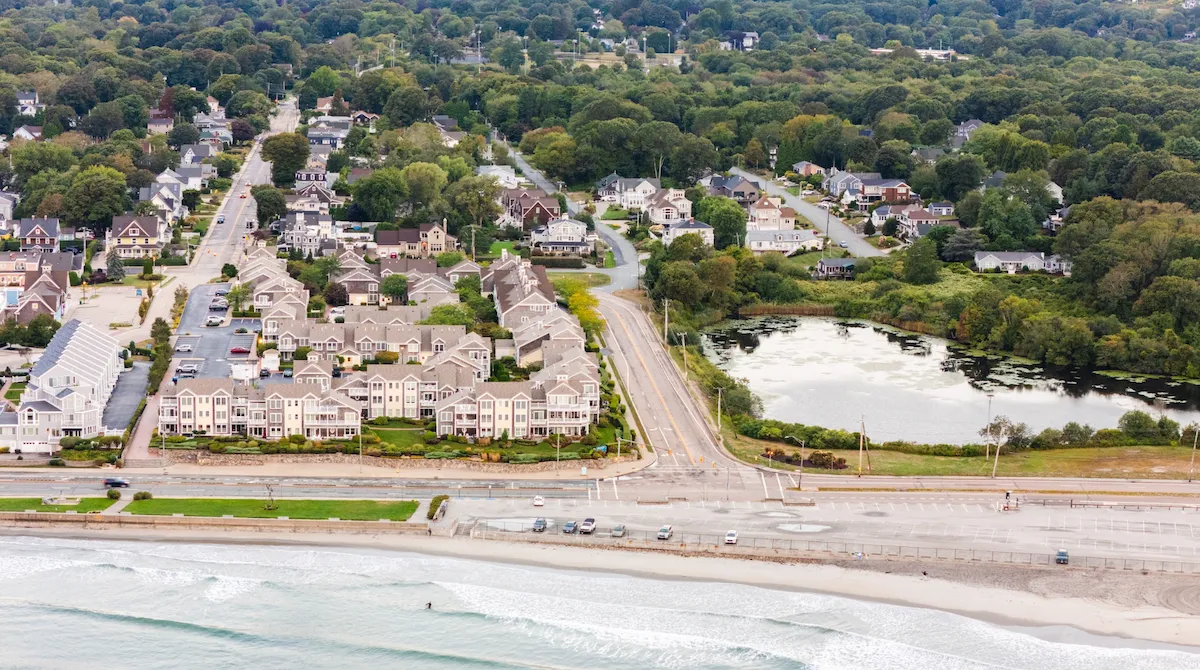
The Hotel Industry Stands to Gain the Most
Among all the industries affected, hotels and lodging facilities represent one of the largest categories of 504 lending for special purpose properties. Hotel development and acquisition requires significant capital, and the extra 5% down payment has been a meaningful barrier for independent hoteliers and small hospitality companies.
Reducing the down payment from 15% to 10% would make hotel ownership more accessible, particularly for first-time buyers and smaller operators who may struggle to accumulate the additional equity currently required.
Consider a typical hotel acquisition:
Current requirement (15% down):
- $5 million purchase price
- $750,000 down payment required
- $250,000 more than standard properties
Proposed requirement (10% down):
- $5 million purchase price
- $500,000 down payment required
- Same as standard properties
That $250,000 difference represents capital that could otherwise be used for property improvements, furniture and fixtures, staff training, or operating reserves during the transition period.
What Happens Next
The Main Street Parity Act passed the House Small Business Committee and can now be considered by the full House of Representatives. From there, it would need to pass the Senate and be signed by the President to become law.
The bill passed the committee with unanimous support, indicating bipartisan agreement on the issue. However, the path through the full House and Senate is never guaranteed, and timing can vary significantly.
For business owners in affected industries, the prudent approach is to monitor the bill's progress while continuing to plan projects under current rules. If the legislation passes, it could create opportunities for projects that were previously marginal due to the higher equity requirement.
What This Means for New England Businesses
New England has significant representation across many of the industries that would benefit from this change:
Hotels and lodging serve the region's tourism, business travel, and seasonal visitor markets across all six states.
Healthcare facilities including hospitals, surgery centers, urgent care centers, nursing homes, and assisted living facilities are major employers throughout New England.
Marinas serve the extensive coastline and waterways of Massachusetts, Rhode Island, Connecticut, New Hampshire, and Maine.
Cold storage facilities support the region's food distribution, seafood, and agricultural industries.
Wineries have grown significantly across New England, particularly in Connecticut, Massachusetts, Rhode Island, and Vermont.
Car washes and automotive service centers operate in communities throughout the region.
For businesses in these industries considering expansion, acquisition, or new construction, the Main Street Parity Act could meaningfully reduce the capital required to move forward.
Current Down Payment Requirements Still Apply
Until the Main Street Parity Act becomes law, the current equity injection requirements remain in effect:
- Standard properties: 10% down payment
- Special purpose properties: 15% down payment
- Startup businesses (less than 2 years old): 15% down payment
- Startup AND special purpose: 20% down payment
Businesses planning projects today should budget based on current requirements. If the law changes before closing, they would benefit from the reduced requirement at that time.
How to Stay Informed
The best way to track this legislation and understand how it might affect your business is to work with a Certified Development Company (CDC) that specializes in SBA 504 lending. CDCs monitor regulatory and legislative changes that affect the program and can advise you on timing and strategy.
New England Certified Development Corporation has been helping businesses access SBA 504 financing since 1981 and works extensively with special purpose properties across all the affected industries. Whether you're planning a hotel acquisition, healthcare facility expansion, or any other special purpose project, they can help you understand your options under current rules and how potential changes might affect your plans.
You can reach New England Certified at (781) 928-1100 or visit cdcnewengland.com to discuss your project.
Bottom Line
The Main Street Parity Act represents a potential opportunity for businesses in hotels, healthcare, automotive services, recreation, and other special purpose industries. By eliminating the extra 5% equity requirement, the bill would put these businesses on equal footing with other commercial property buyers using SBA 504 financing.
While the legislation still needs to pass the full House and Senate, its unanimous committee passage suggests strong bipartisan support. Business owners in affected industries should monitor its progress and consider how the reduced down payment might affect their expansion or acquisition plans.
This article is for informational purposes only. Legislative proposals may change during the congressional process. Contact a Certified Development Company or visit sba.gov for current program requirements.


